A blender or food processor overworks the mayo and gives you a thin, runny dressing
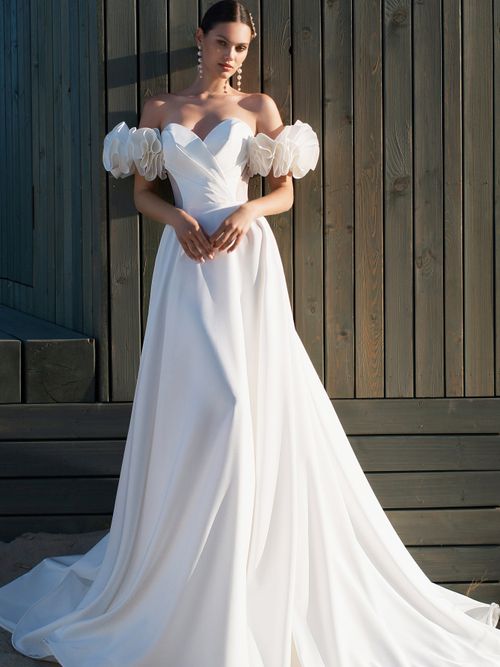
The highest-risk sewing points Sleeve cap gather line: needs consistent ratio Armhole join seam: stress point when wearer lifts arms Elastic channel: twisting and uneven stretch are common Cuff seam: can look wavy if tension is wrong Specs I always lock before bulk Gather ratio (cap and hem) written in numbers Elastic width, stretch %, and vendor standard Stitch type and SPI for armhole seam Pressing method and temperature limits Sleeve length tolerance and left/right symmetry tolerance Inline QC checklist I use on the line Compare left and right sleeve puff height on mannequin Check elastic twist by rotating sleeve opening Do a quick arm-lift test on sample every size set Measure sleeve length after pressing, not before Random check for thread breaks at armhole seam Cost drivers buyers should know early Extra fabric usage from sleeve fullness Higher sewing time from gathers and elastic channels Higher risk of rework from symmetry issues Possible need for lining or inner support layer Long-Sleeve A-Line Dress Many buyers add sleeves late, then the fit gets tight, the armholes pull, and the dress looks cheap on camera

Shop more products from Liaumin Dress on Storenvy, the home of independent small businesses all over the world
Its rich, complex flavors bring a wonderful depth to the dressing, making it a favorite for drizzling over salads, vegetables, and even meats
I make my dressing in the bottom of a big bowl and then toss in the rest of the salad ingredients (quinoa, beans, and veggies)
Book a private session at a local studio or stream a virtual class from the Airbnb if you want to keep it in-house